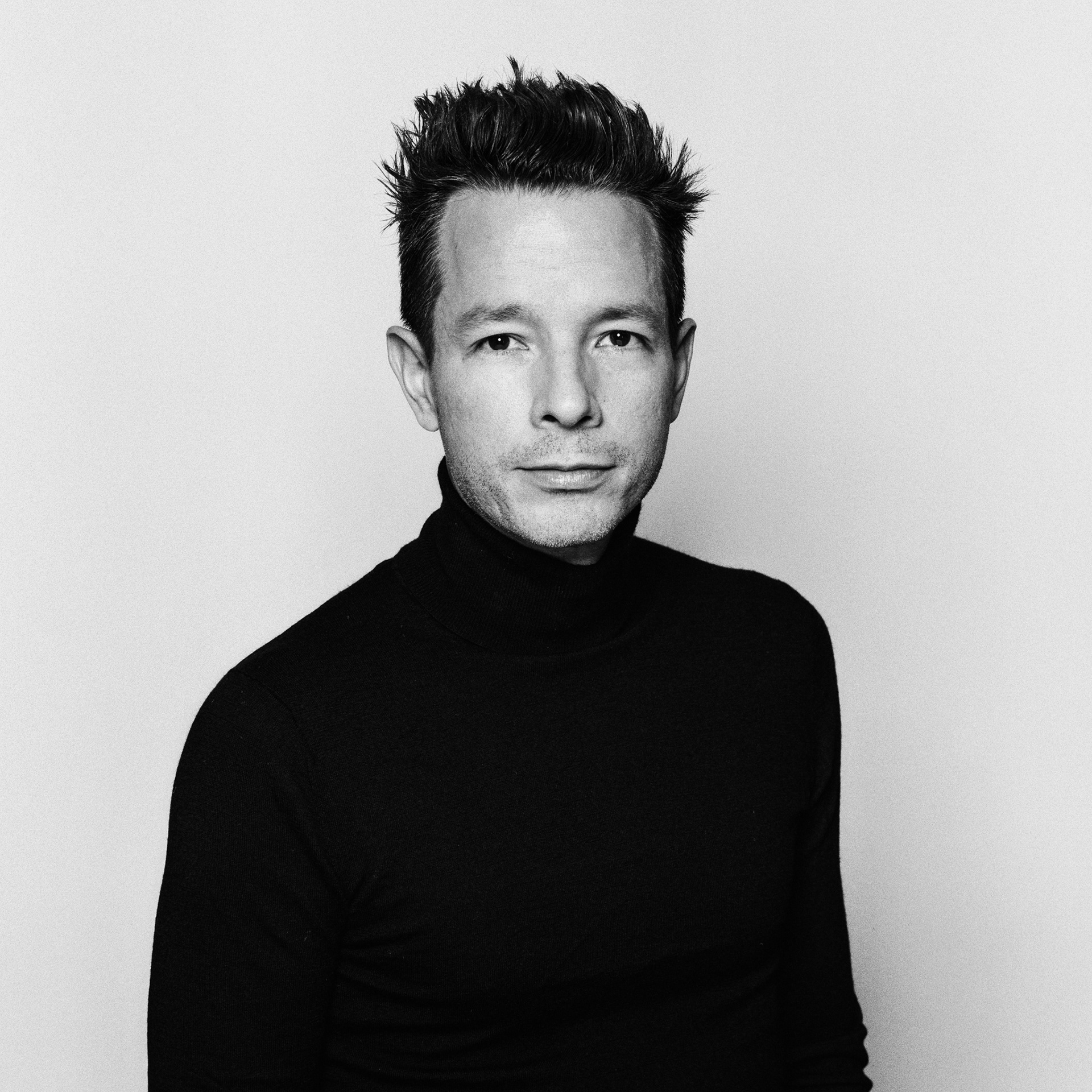
I got serious about photography in 2016, when I bought a medium format camera from 1971. For the better part of a decade I worked with a single lens, refining my technique. I’d grown up around 35mm photography in the 1980s, but it took years before I saw film as a vehicle for artistic expression rather than an expensive hobby.
In 2024 I began having my work printed and framed to hang at home, and that was the turning point. Seeing the photographs on the wall instead of on a contact sheet made me realize they should be seen by others. What I lacked was a body of work large enough to share, and a clear sense of how to put it out into the world.
2025 changed that. A skateboarding accident left me with a serious concussion and months of recovery. When I picked up the camera again, my eye had changed. I began to see how a person or an object should be photographed, and I could tell when a frame was right and when it wasn’t. The second-guessing was gone. In its place was an intuition I’ve trusted ever since, and the body of work I’d been visualizing grew out of it.
Today my work is largely black and white portraiture and reinterpretations of still life. Film and studio lighting let me tell a story of life and death in a way a digital camera can’t. The process is meditative and deliberate, and it pushes me to think more like a painter than a photographer.
Underneath it all is a meditation practice I’ve kept since 2012. It shapes what I’m after in an image: making every moment infinite. The Upanishads say it more simply than I can: Sarvam khalvidam Brahman, all this is totality. That’s what I hope one of my prints might awaken in someone standing in front of it.
Selected
Still Eternal, solo exhibition, Stockholm, November 2026
Portraits published in Svenska Dagbladet and Dagens Nyheter
Portrait of Peter Englund, TEDxStockholm 2026


